
What Science Says About Fructose, Inflammation, and Food Education
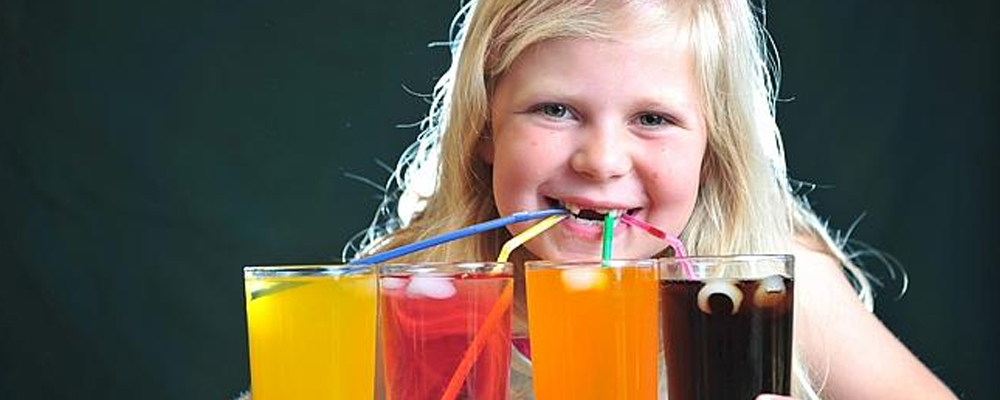
What children eat and drink everyday shapes more than their energy levels—it influences their immune system, learning capacity, and long-term health habits. While parents often associate sugary drinks with cavities or weight gain, emerging scientific research suggests a deeper concern: the impact of fructose on the immune system.
At Ninichef, where food is used as a hands-on learning tool, we believe understanding the why behind food choices is just as important as making the choice itself.
What Is Fructose and Why Is It Everywhere?
Fructose is a naturally occurring sugar found in fruits. When consumed as part of a whole fruit, it comes packaged with fiber, vitamins, antioxidants, and water—elements that slow digestion and support healthy metabolism.
The challenge arises with added fructose, commonly found in:
- Soft drinks and sodas
- Packaged fruit juices (even “100% juice”)
- Sports and flavored drinks
- Processed snacks marketed to children
In these forms, fructose is delivered quickly, without fiber, and often in quantities far greater than what a child would naturally consume from whole foods.
Beyond Sugar and Calories: The Immune System Connection
Traditionally, conversations around sugary drinks focus on calories, obesity, or blood sugar spikes. However, recent research shows that fructose may also influence how the immune system responds to threats.
A peer-reviewed study published in Redox Biology found that fructose intake can enhance inflammatory immune responses, even in healthy individuals. The research focused on monocytes, a type of white blood cell that plays a key role in immune defense.
After fructose consumption, these immune cells showed a stronger inflammatory reaction to bacterial toxins—suggesting that fructose may push the immune system toward overreaction rather than balance.
Why This Matters More for Children
Children’s immune systems are still developing. Their bodies are learning how to respond appropriately to viruses, bacteria, and environmental challenges. Nutrition plays a critical role in shaping this process.
When inflammation becomes frequent or excessive, it may contribute to:
- Repeated illnesses
- Slower recovery from infections
- Fatigue and reduced attention
- Difficulty fully engaging in learning environments
For children attending schools, camps, or group activities, immune resilience is directly connected to attendance, focus, and overall well-being.
It’s Not Just About Weight or Sugar Levels
One common misconception is that sugary drinks are only harmful if they cause visible problems like weight gain. Scientific findings challenge this assumption.
Research suggests that the immune effects of fructose may occur independently of body weight or blood sugar levels. This means even active, healthy-looking children may be affected by frequent consumption of sugary drinks.
This is why food education—not just restriction—is essential.
The Ninichef Perspective: Learning Through Food
At Ninichef, we don’t believe in fear-based food rules or strict bans. Instead, we focus on food literacy—helping children understand how food works in their bodies.
Through hands-on cooking activities and STEM-based learning, children explore questions like:
- What happens to sugar after we drink it?
- Why does fiber matter?
- How do different ingredients affect energy and focus?
When children discover these answers themselves, healthier habits become empowering—not forced.
Sugary Drinks as a Learning Opportunity
Rather than simply saying “no,” parents and educators can turn everyday food choices into learning moments:
- Compare water and juice during a cooking activity
- Read ingredient labels together
- Experiment with making naturally flavored water
- Discuss how the body feels after different drinks
These experiences support critical thinking, scientific curiosity, and lifelong decision-making skills.
Healthier Drink Alternatives for Children
1. Water First
Water supports hydration, digestion, and immune function. Making water the default choice builds a strong foundation.
2. Homemade Infused Water
Adding fruit slices or herbs to water introduces flavor without excess sugar.
3. Whole Fruits Instead of Juice
Whole fruits provide fiber that slows sugar absorption and supports gut and immune health.
4. Gradual Change
Reducing sugary drinks step-by-step helps children adapt without resistance or stress.

The Role of Parents and Educators
Children don’t learn healthy habits from rules alone—they learn from experience, modeling, and conversation. When parents, teachers, and programs like Ninichef work together, nutrition becomes part of a child’s broader learning journey.
Food choices affect:
- Physical health
- Emotional regulation
- Cognitive performance
- Long-term lifestyle habits
Teaching children how to think about food is one of the most valuable life skills we can offer.
Frequently Asked Questions
Is fruit juice better than soda?
While juice may seem healthier, it often contains similar sugar levels and lacks fiber. Whole fruit is a better everyday choice.
Is fructose always bad?
No. Fructose in whole fruits is part of a balanced food system. The concern is excessive, added fructose in processed drinks.
What should children bring to school?
Water is the best daily option. Homemade flavored water can be a fun alternative.
Final Thoughts
Sugary drinks may impact more than teeth or waistlines. Scientific evidence suggests that frequent fructose intake can influence immune responses and inflammation, even in healthy children.
At Ninichef, we see nutrition as an educational journey—one that blends science, curiosity, and real-life skills. By helping children understand food, we empower them to make choices that support both their health and their love of learning.